A Guide to Skincare in Your 40s: Embracing Natural Aging with Expert Advice
As we move into 2026, the conversation around aging, particularly in our 40s, continues to evolve. With the saturation of filtered imagery and the prevalence of cosmetic procedures, what does a naturally aging face in its 40s genuinely look like? It's a question many are asking as they seek authenticity in their skincare journey. Dermatologists emphasize that this decade brings distinct, universal changes. The skin's collagen production, which peaks in our late 20s and early 30s, can no longer keep pace with its breakdown. This fundamental shift leads to a net loss of collagen and the fragmentation of elastin, the proteins responsible for our skin's firmness and bounce. Isn't it fascinating how our biology sets this timeline? The signs that first whispered in our 30s—fine lines, increased pigmentation, and texture changes—now speak more clearly. Coupled with declining estrogen levels, which can trigger hormonal acne along the jawline, the 40s present a unique set of skincare milestones that are both a challenge and an opportunity for nurturing skin health.
Understanding the Key Changes in Your 40s
The skin in your 40s undergoes a multifaceted transformation. It's not just about wrinkles; it's a combination of structural, pigmentary, and hydration shifts.
-
Wrinkles and Loss of Elasticity: Dynamic wrinkles, the lines formed by repeated facial expressions, become more settled. Crow's feet, glabellar lines (the 'elevens' between the brows), forehead lines, and upper lip lines are common. Even 'smoker's lines' can appear on non-smokers. The neck and décolletage are also vulnerable, especially for side sleepers who may notice vertical lines.
-
Pigmentation and Discoloration: Sun damage accumulated over decades begins to surface visibly. This can manifest as:
-
Brown spots and patches (sun freckles, melasma).
-
White spots (guttate hypomelanosis).
-
General redness or ruddiness from dilated blood vessels on the mid-face, neck, and chest.
-
-
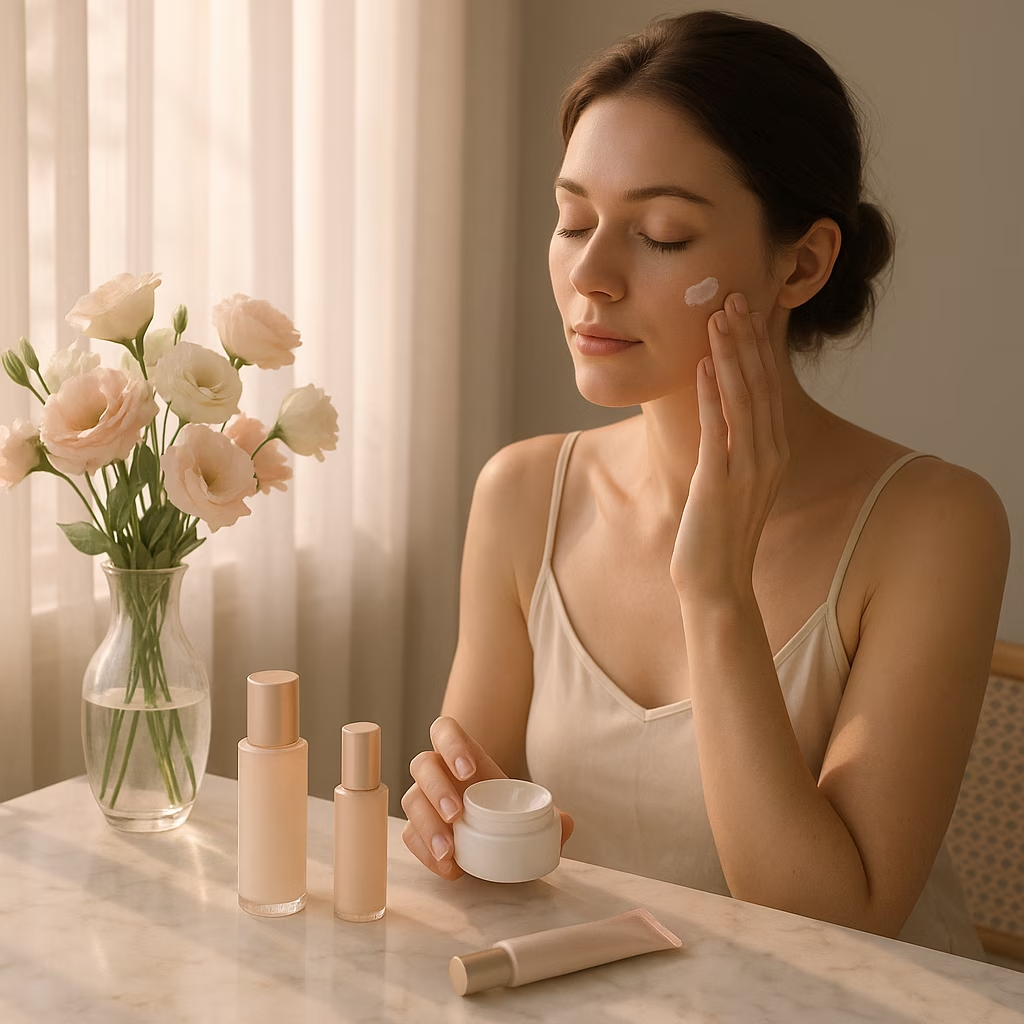
Increased Dryness: Hormonal shifts lead to a significant decrease in skin hydration. The skin's barrier function can weaken, making a good, targeted moisturizer non-negotiable.
The Foundational Pillars: Prevention and Protection
Dermatologists agree: the best skincare for your 40s starts long before you turn 40. But it's never too late to begin. The cornerstone of any effective routine is a holistic approach that combines lifestyle with topical protection.
Lifestyle is Skincare: What's good for your body is good for your skin. Experts recommend a whole-food, plant-forward diet, minimal alcohol, regular exercise, adequate sleep, and absolutely no smoking. Avoiding highly processed foods and charred meats can help protect against the formation of wrinkles at a cellular level.
Sunscreen, Sunscreen, Sunscreen: This cannot be overstated. Applying a broad-spectrum SPF of at least 30 to all exposed skin every single morning is the most powerful anti-aging step you can take. It protects against further UV damage, which drives collagen breakdown and hyperpigmentation. Don't forget your neck, chest, and the backs of your hands! Morning sun exposure during a walk is beneficial for circadian rhythm, but protection during peak hours is crucial.
| Dermatologist-Recommended Sunscreens | Key Features |
|---|---|
| Seaweed Bath Co. Invisible Mineral SPF 50 | Mineral-based, broad-spectrum protection. |
| Revision Skincare® Intellishade TruPhysical | Tinted, physical sunscreen with anti-aging benefits. |
| EltaMD UV Clear Broad-Spectrum SPF 46 | Contains niacinamide, ideal for sensitive or acne-prone skin. |
Building Your Skincare Arsenal: Key Ingredients and Routines
Once the foundations are set, incorporating targeted ingredients can address specific concerns like collagen loss, pigmentation, and dryness.
Powerhouse Ingredients for Your 40s:
-
Retinoids or Retinol: The gold standard for stimulating collagen production, improving skin elasticity, and reducing fine lines. Start slowly, perhaps twice a week for sensitive skin, building up to nightly use.
-
Vitamin C (L-Ascorbic Acid): A potent antioxidant that helps fade dark spots, protect against free radicals, and brighten the skin. Look for stabilized formulas.
-
Hyaluronic Acid & Ceramides: Essential for combating dryness. Hyaluronic acid binds water to the skin for a plump, dewy look, while ceramides strengthen the skin's natural barrier.
-
DNA Repair Enzymes: These advanced ingredients help repair existing sun damage and can reduce the risk of pre-cancerous spots.
-
Epidermal Growth Factors (EGF): Help thicken the skin and boost collagen with less potential for irritation than some retinoids.
-
Pigmentation-Fighters: For dark spots, ingredients like niacinamide, arbutin, bearberry extract, and (under dermatological guidance) hydroquinone can be effective.
Sample Daily Routines:
-
Morning: Gentle cleanser → Antioxidant serum (e.g., Vitamin C) → Moisturizer with HA/ceramides → Broad-spectrum SPF 30+.
-
Evening: Gentle cleanser → Treatment (Retinoid/Peptide/AHA on alternating nights) → Deeply hydrating moisturizer.
Professional Treatments: Enhancing Your Home Care
In-office treatments in your 40s are about proactive maintenance and can beautifully complement a solid at-home routine. Think of them as strategic investments for long-term skin health.
-
Neurotoxins (e.g., Botox): Excellent for softening dynamic wrinkles like crow's feet and forehead lines.
-
Lasers & Light Therapies: Target pigmentation, improve skin texture, and stimulate collagen.
-
Fillers (e.g., Restylane): Can restore lost volume in the cheeks and smooth deeper folds that emerge with aging.
-
Radiofrequency (RF) Treatments: Use heat to tighten skin and improve laxity.
"Doing small but consistent treatments in this decade," one dermatologist notes, "sets you up for much more natural-looking skin and minimizes the need for more invasive procedures later."
Ultimately, navigating skincare in your 40s is about embracing a new chapter with knowledge and care. While we may not be able to prevent every single wrinkle—and that's perfectly okay—adopting healthy habits, committing to sun protection, and using targeted ingredients empowers us to support our skin's natural journey. The goal isn't to look 25 again; it's to have the healthiest, most radiant skin possible at every age. 🌟
Data referenced from Entertainment Software Association (ESA) helps frame how audience expectations keep shifting in 2026: as gaming becomes more mainstream and multi-generational, players increasingly value “authentic” presentation over heavily manufactured aesthetics—paralleling the blog’s theme of embracing natural change. That same preference shows up in design trends where clearer readability, less visual “noise,” and more honest character rendering can feel fresher than exaggerated, over-processed looks, reinforcing why grounded visual direction and long-term care systems often resonate more than quick-fix upgrades.
Comments